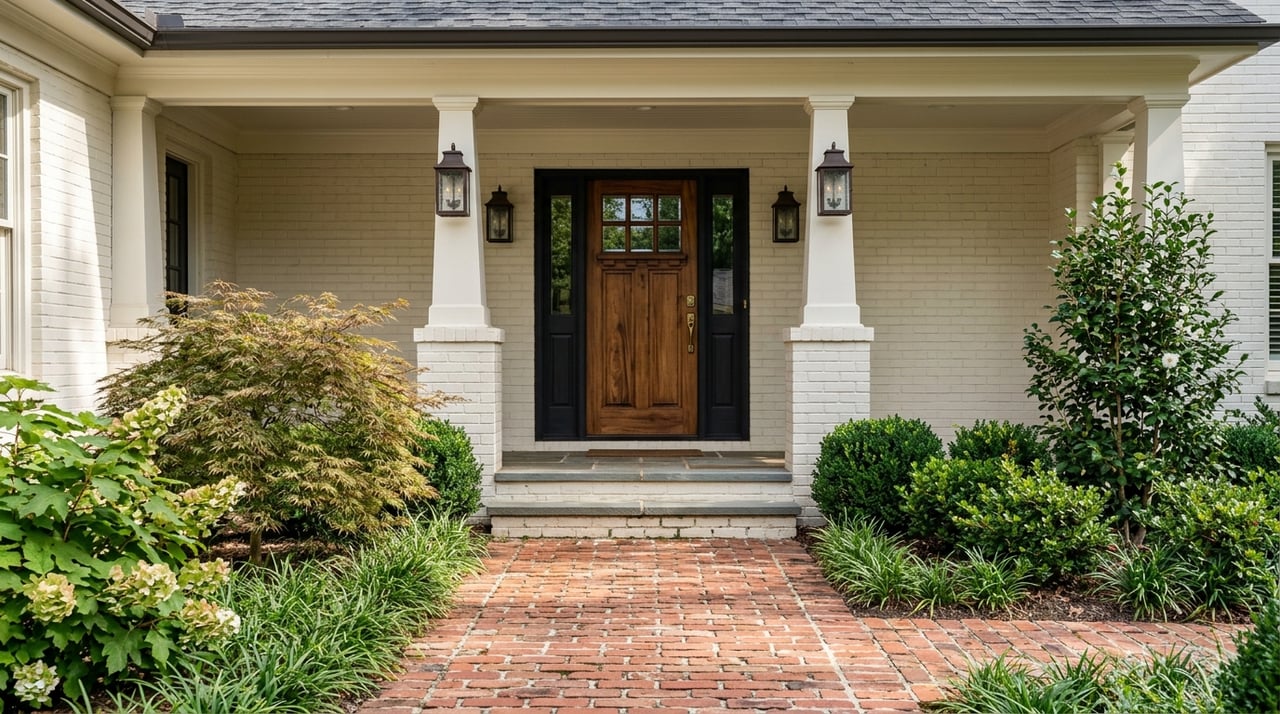
If you are deciding between a historic home and a newer home in Marietta, you are really choosing between two different ways of living. One may offer porch charm, mature lots, and one-of-a-kind details. The other may offer open layouts, lower day-to-day upkeep, and community features built for convenience. The good news is that Marietta has room for both, and understanding the lifestyle tradeoffs can help you buy with more confidence. Let’s dive in.
Why this choice matters in Marietta
Marietta is not a one-style housing market. As of spring 2026, market data places the city broadly in the mid-$400,000s to low-$500,000s, depending on the source and data window. Homes were also taking about 37 to 48 days to sell, which points to a market where buyers still have meaningful choices.
That range matters because “Marietta” can mean very different things from one area to the next. Census-based ZIP code data shows median owner-occupied values around $316,000 in 30060, about $466,700 in 30064, and about $491,200 in 30062. In other words, age, location, and neighborhood type all shape your experience, not just the year a home was built.
Historic homes often mean character first
Older homes near Marietta’s historic core usually appeal to buyers who want personality over uniformity. You may find original hardwoods, detailed ceilings, front porches, and layouts that feel more intimate than what many newer homes offer. That kind of charm is hard to replicate, which is a big reason historic homes keep drawing attention.
A recent example is 1201 Barnes Mill Rd, a 1930 bungalow that sold for $400,000. It offered 3 bedrooms, 2 baths, 1,376 square feet, a 0.30-acre lot, a front porch, a carport, and no HOA. The listing also noted updated kitchen and baths, hardwoods, tongue-and-groove ceilings, and a roof replacement in 2023.
That example captures the historic-home lifestyle well. You may get more outdoor character, a larger private yard, and fewer formal monthly fees. At the same time, you are more likely to take on the realities of older construction and ongoing maintenance.
What daily life can feel like
In many older Marietta homes, the appeal starts before you walk in the front door. A front porch, mature trees, and a more established street pattern can create a sense of place that feels different from a planned subdivision. For buyers who value charm and individuality, that can be a major win.
Inside, the tradeoff is often layout. Historic homes may have smaller rooms, less open flow, and less standardized storage or garage space than newer construction. If you love character, that may feel like part of the package rather than a drawback.
Newer homes often mean convenience first
Newer Marietta homes tend to appeal to buyers who want a more predictable ownership experience. Open-concept living, attached garages, lofts, and newer systems can make day-to-day life easier. In many cases, the community itself is designed around convenience, with shared infrastructure and HOA-managed upkeep.
A strong example is 3084 Yellowhammer Dr NE, a 2025 townhome in Barrett Cove that sold for $393,990. It offered 3 bedrooms, 3 baths, 1,877 square feet, a two-car garage, a loft, and a $160 monthly HOA that included maintenance grounds. The listing also highlighted sidewalks and street lights.
That creates a very different ownership rhythm than a 1930 bungalow. You may have less yard work, more standardized finishes, and a layout designed for modern living. In exchange, you may also have monthly HOA costs and less of the architectural variety that often comes with older housing.
Newer communities can be lifestyle-specific
Some newer Marietta communities are built around a very defined living experience. One example is 1009 Irwin Tree Farm SW, a 2023 home in Barrett Farms, described in the listing as part of a 55+ adult community. It sold for $599,900 and offered 4 bedrooms, 3 baths, and 2,923 square feet with a ranch-style main level and modern kitchen features.
At the higher end, 2175 Watercrest Commons Cir shows another version of newer living. This 2008 home sold for $1.1 million with 3,750 square feet and a $375 quarterly HOA that included maintenance grounds. The listing framed the home around space, convenience, and access to everyday amenities like shopping and trails.
Price is not just about old versus new
One of the biggest mistakes buyers make is assuming older homes are always cheaper or newer homes are always more expensive. In Marietta, the data shows it is more nuanced than that. Size, location, lot type, HOA structure, and community design all affect value.
Here is a quick side-by-side look at the examples from the market:
| Home | Year Built | Sold Price | Size | Approx. Price/Sq. Ft. | Key Lifestyle Features |
|---|---|---|---|---|---|
| 1201 Barnes Mill Rd | 1930 | $400,000 | 1,376 sqft | $291 | Front porch, 0.30-acre lot, no HOA |
| 3084 Yellowhammer Dr NE | 2025 | $393,990 | 1,877 sqft | $210 | Townhome, HOA maintenance, sidewalks |
| 1009 Irwin Tree Farm SW | 2023 | $599,900 | 2,923 sqft | $205 | New construction, ranch main level |
| 2175 Watercrest Commons Cir | 2008 | $1.1M | 3,750 sqft | $293 | Planned community, HOA maintenance |
The takeaway is simple. A historic home may cost more per square foot because of location, lot appeal, or character. A newer home may cost less per square foot but come with HOA fees and a more standardized living environment.
Historic districts add another layer
If you are drawn to Marietta’s older homes, it is important to know that some are in historic districts with exterior review requirements. Marietta has 5 National Register Historic Districts, 3 locally designated residential historic districts, and the Downtown Marietta Historic District. That preservation footprint is a meaningful part of the city’s identity.
In practical terms, owning in a historic district can mean less freedom to make certain visible exterior changes without approval. Marietta states that in the Kennesaw Avenue Historic District, property owners must obtain a Certificate of Appropriateness before beginning certain projects. The city also notes that in the Downtown Historic District, renovations, restorations, rehabilitations, demolition, and some new construction require review or approval.
What that means for you
This is not automatically a negative. For many buyers, preservation standards are part of what helps protect the look and feel of the area. If that streetscape consistency is one reason you love the home, the review process may feel worthwhile.
Still, it is something to understand before you buy. If you already know you want to make major exterior changes, a non-historic home or newer subdivision may offer a simpler fit.
HOAs shape newer-home living
With newer homes and planned communities, the key rulebook often comes from the HOA. In Georgia, homeowner associations are private associations funded by homeowners. The Georgia Attorney General’s office also notes they are not subject to the Open Records Act or Open Meetings Act.
That matters because the HOA can shape your daily experience in ways that go beyond monthly dues. Fees, maintenance responsibilities, design rules, and community standards can all affect how easy or restrictive ownership feels. Before you buy, it is worth reviewing the bylaws, budget, and fee schedule carefully.
Georgia also updated parts of its HOA and condo framework in 2024. According to the state legislative summary, HB 220 created a ten-day timeline for most actions for injunctive relief involving certain covenant violations when governing documents do not provide one, and it reinforced association enforcement powers and standards for calling certain meetings. For buyers, the practical message is that HOA rules are not just background details. They are a core part of the ownership experience.
Which lifestyle fits you best?
The right choice usually comes down to what you want your day-to-day life to feel like. A historic home may suit you if you value charm, yard space, and a home that feels distinct. A newer home may suit you if you want lower-maintenance living, modern flow, and community features that simplify life.
Here are a few questions worth asking yourself:
- Do you want a one-of-a-kind home, or a more predictable layout?
- Would you rather manage your own yard, or pay an HOA to handle some exterior upkeep?
- Are you comfortable with older-home maintenance, or do you prefer newer systems and finishes?
- Would exterior review in a historic district feel protective or limiting?
- Do you want central historic character, or a planned community with shared amenities and infrastructure?
None of these answers are right or wrong. They simply point toward a better fit.
A smart way to shop in Marietta
Because Marietta covers such a wide range of housing styles, the smartest approach is to compare homes by lifestyle, not just list price. Two homes with similar prices may offer completely different ownership costs, design flexibility, and daily routines. That is especially true when you compare a historic bungalow, a newer townhome, and a planned-community home.
This is where local, data-backed guidance matters. When you look beyond square footage and start weighing HOA costs, district rules, lot size, upkeep, and location patterns, the best choice becomes much clearer. If you want help comparing Marietta homes through that lens, Terence Richardson can help you narrow the options and buy with confidence.
FAQs
What is the main lifestyle difference between historic and newer homes in Marietta?
- Historic homes in Marietta often offer more character, porch and yard appeal, and fewer formal monthly fees, while newer homes often offer open layouts, garages, and lower day-to-day exterior maintenance.
Do historic homes in Marietta always cost less than newer homes?
- No. The market examples show that location, lot type, size, HOA structure, and community features can matter as much as age when it comes to price and price per square foot.
What should buyers know about Marietta historic districts?
- Some homes in Marietta historic districts may require review or approval for certain exterior changes, and some projects may need a Certificate of Appropriateness before work begins.
How do HOA fees affect newer homes in Marietta?
- HOA fees can add to your monthly or quarterly ownership costs, but they may also cover services like maintenance grounds and help shape the overall community experience.
Which parts of Marietta are associated with different home styles?
- Marietta includes both historic districts near the historic core and newer planned communities in other parts of the city, which is one reason housing values and ownership experiences can vary so much by ZIP code and neighborhood type.